
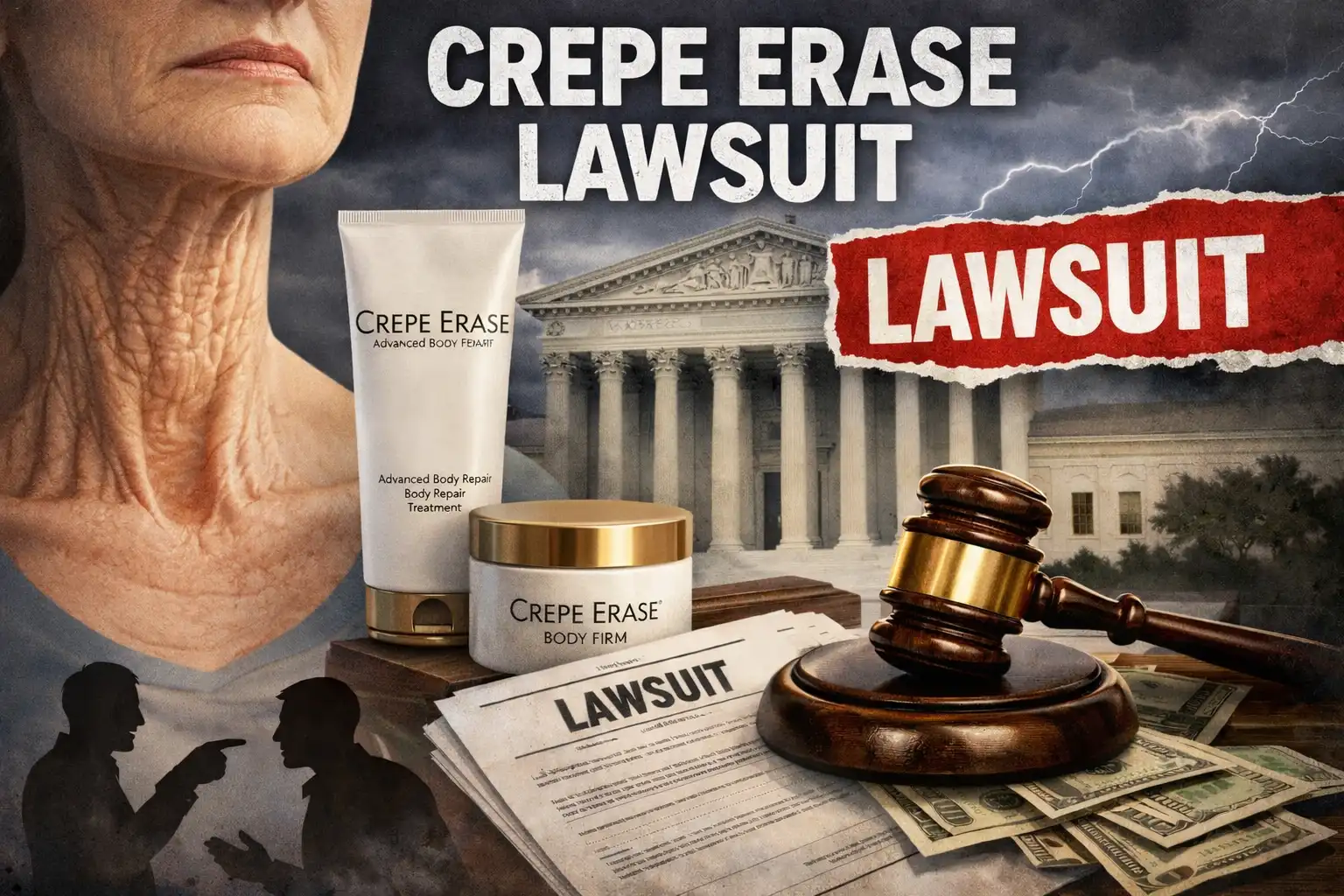
the Crepe Erase lawsuit remains a topic of interest for both consumers and legal analysts. Marketed as an anti-aging skin cream, Crepe Erase has faced significant scrutiny over the years due to claims of exaggerated benefits and misleading marketing practices. Understanding the lawsuit’s background, allegations, and outcomes is essential for consumers seeking accountability and transparency in the beauty and skincare industry.
This article breaks down the Crepe Erase legal saga in a clear, actionable way. By the end, readers will understand the lawsuit’s timeline, key allegations, legal outcomes, and what the case reveals about consumer protection in 2026.
Background: What Is Crepe Erase and Why It Made Headlines
Crepe Erase is a skincare brand developed to address aging skin concerns, particularly crepey skin on arms, neck, and other sensitive areas. Launched in the early 2010s, it gained rapid popularity through aggressive marketing campaigns featuring before-and-after testimonials and celebrity endorsements.
By 2020, Crepe Erase had become a household name among anti-aging creams, with annual sales reportedly exceeding $50 million. However, despite its commercial success, dermatologists and consumer advocacy groups raised concerns about the product’s efficacy and whether the marketing claims matched clinical evidence.
Allegations Leading to the Lawsuit
The lawsuit against Crepe Erase primarily revolved around allegations of deceptive marketing and false advertising. Plaintiffs claimed that the company:
-
Misrepresented product efficacy: Ads claimed dramatic reductions in crepey skin appearance within weeks, without scientific backing.
-
Misled consumers with before-and-after images: Marketing materials allegedly used digitally enhanced images, exaggerating results.
-
Violated consumer protection laws: Plaintiffs argued that the product’s promises violated state and federal regulations regarding health and beauty product claims.
-
Price gouging and subscription traps: Some consumers reported unexpected recurring charges through the brand’s auto-subscription model.
These allegations culminated in a class-action lawsuit filed in 2021, highlighting the need for greater transparency in the multi-billion-dollar skincare industry.
Timeline of the Crepe Erase Lawsuit
The legal journey of the Crepe Erase case spans several years. Here’s a timeline of key events:
| Year | Event | Description |
|---|---|---|
| 2021 | Lawsuit Filed | Class-action lawsuit initiated over deceptive advertising claims. |
| 2022 | Initial Discovery | Plaintiffs presented evidence of misleading marketing and testimonials. |
| 2023 | Expert Testimonies | Dermatologists and consumer protection experts provided reports questioning product efficacy. |
| 2024 | Preliminary Settlement Talks | Early settlement negotiations discussed, but no agreement reached. |
| 2025 | Court Ruling | Partial rulings favored the plaintiffs, mandating corrective advertising and partial refunds. |
| 2026 | Case Resolution | Final settlements implemented; regulatory oversight increased. |
This timeline demonstrates that legal accountability for cosmetic products can be slow but impactful, influencing both marketing practices and consumer trust.
Legal Proceedings: How the Case Unfolded
The Crepe Erase lawsuit followed a standard civil litigation pathway but involved complex evidence review due to scientific and marketing claims. The key stages included:
-
Filing of Complaint: Consumers alleged that Crepe Erase exaggerated its anti-aging effects and misrepresented clinical results.
-
Discovery Phase: Internal marketing reports, clinical studies, and testimonial records were subpoenaed.
-
Expert Witness Testimonies: Dermatologists testified that the product’s active ingredients offered minimal anti-aging effects, contradicting marketing claims.
-
Negotiations and Mediation: Legal representatives for Crepe Erase attempted to negotiate a settlement to avoid prolonged litigation.
-
Court Decision and Settlement: In late 2025, the court approved a settlement requiring refunds for certain customers, stricter advertising standards, and ongoing compliance monitoring.
Financial and Consumer Impact
The Crepe Erase lawsuit had significant financial implications for both the company and affected consumers.
-
Consumer Refunds: Settlement agreements provided partial refunds, estimated at $150–$300 per affected consumer.
-
Corporate Costs: Legal fees and settlements reportedly exceeded $10 million, impacting the company’s revenue and marketing budget.
-
Market Perception: Post-lawsuit, Crepe Erase faced reduced consumer trust, leading to a 15–20% decline in new subscriptions in 2026.
The case underscores the financial risks cosmetic companies face when marketing claims are not backed by verifiable evidence.
Lessons from the Crepe Erase Lawsuit
For consumers and businesses alike, the lawsuit provides several takeaways:
-
Consumer Vigilance is Key: Always verify product claims and look for independent clinical studies.
-
Transparency in Marketing Matters: Businesses must align advertising with verifiable results to avoid legal repercussions.
-
Legal Accountability Protects Consumers: Class-action lawsuits can correct misleading practices and promote industry-wide reform.
-
Long-Term Brand Impact: Even profitable brands risk long-term reputational damage if transparency is compromised.
How Crepe Erase Responded
Crepe Erase’s response to the lawsuit included:
-
Issuing revised marketing materials emphasizing realistic results.
-
Offering voluntary refunds to some customers beyond court requirements.
-
Implementing stricter compliance procedures to prevent future allegations.
-
Partnering with dermatologists for more evidence-based product claims.
These steps reflect a broader trend in the cosmetic industry toward accountability and consumer trust rebuilding.
Frequently Asked Questions
Were consumers compensated in the settlement?
Yes, eligible customers received partial refunds ranging from $150 to $300, depending on their purchase history.
Did the lawsuit affect Crepe Erase’s market presence?
Yes, the brand saw a decline in new subscriptions and faced reputational challenges in 2026, though it remains active in the skincare market.
Is Crepe Erase still sold after the lawsuit?
Yes, the company continues to sell products but with revised marketing and compliance standards.
What lessons can other cosmetic companies learn?
Companies should ensure advertising claims are evidence-based and transparent, as legal scrutiny and consumer advocacy are increasing.
The Crepe Erase lawsuit of 2026 serves as a landmark case in consumer protection within the cosmetic industry. By highlighting deceptive marketing practices, clarifying consumer rights, and enforcing regulatory compliance, the case demonstrates the importance of accountability in the beauty sector.
For consumers, it reinforces the value of research and skepticism when evaluating anti-aging products. For businesses, it underscores the legal and reputational risks of misleading claims.

- Short-Term Rental Laws: What Property Owners Should Check Before Listing a Home - September 28, 2026
- Privacy Laws Every Internet User Should Understand - July 31, 2026
- Jake Paul Anthony Joshua Lawsuit - June 25, 2026