
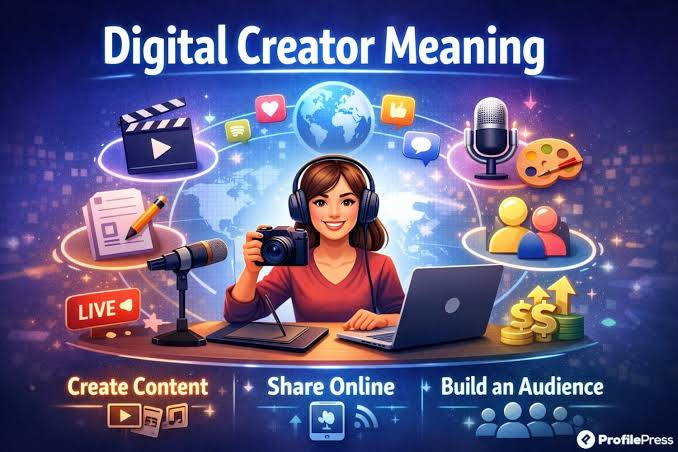
Online creators today need more than good content to stand out in a crowded digital space. They also need a clear identity that people can recognize across websites, social media platforms, videos, and search results. Even searches connected with topics such as Xev Bellringer biography show how audiences often want to learn more about the personality, background, and online presence behind a familiar creator name. A recognizable digital identity helps creators build trust, attract repeat visitors, and make their content easier to remember. This identity usually combines visual branding, communication style, content topics, and a consistent online presence.
Creating a Consistent Personal Brand
A strong digital identity starts with consistency. Successful creators usually present themselves in a similar way across every platform they use. Their profile photos, usernames, descriptions, colors, and content style often follow the same general theme.
Consistency makes it easier for audiences to know that they have found the right person. If a creator uses completely different names, images, and tones on every platform, followers may struggle to connect those accounts with the same individual.
Personal branding does not mean that every piece of content must look identical. Creators can change formats while keeping their main personality and message recognizable. The goal is to create enough familiar elements that viewers quickly know who produced the content.
Choosing a Clear Content Niche
Creators also build recognizable identities by focusing on specific subjects. A clear niche gives audiences a reason to remember and follow them. Someone may become known for gaming, fashion, fitness, technology, comedy, education, lifestyle, entertainment, or another focused topic.
A niche also helps search engines and social platforms understand what a creator usually discusses. Over time, repeated coverage of related subjects can strengthen topical relevance and make the creator easier to discover.
Some creators eventually expand into other areas. However, they often keep one main theme at the center of their online identity so their audience still knows what to expect.
Using Visual Elements People Remember
Visual branding plays an important role in digital recognition. Profile pictures, logos, thumbnails, banners, fonts, and recurring design styles can make content instantly familiar.
Many creators use the same main image across several platforms. Others use similar thumbnail layouts or repeated design elements in videos and social posts. These choices help their content stand out when users scroll quickly through crowded feeds.
Creators do not always need expensive graphic design. A simple and consistent visual style can work well when audiences see it regularly.
Developing a Recognizable Voice
A creator’s writing or speaking style can become just as important as visual branding. Some creators use humor, while others communicate in a serious, educational, friendly, or energetic way.
When creators maintain a consistent voice, followers begin to recognize how they explain ideas and interact with their community. This familiarity can create a stronger connection between the creator and the audience.
The tone should also fit the type of content being produced. An educational creator may focus on clear explanations, while an entertainment creator may depend more on personality and storytelling.
Maintaining a Strong Presence Across Platforms
Online creators often use several platforms rather than depending on only one. They may publish videos, short-form clips, posts, newsletters, podcasts, or website content.
Using multiple platforms can increase visibility, but creators need to connect these platforms clearly. Matching usernames, profile descriptions, and visual elements can help users move easily from one channel to another.
Cross-platform activity also reduces dependence on a single website. If algorithms or platform trends change, creators can still communicate with audiences elsewhere.
Building Trust Through Authenticity
Audiences often follow creators because they feel familiar with their personality and opinions. Creators can strengthen this connection by communicating naturally and avoiding sudden changes that feel unrelated to their established identity.
Authenticity does not require creators to share every private detail of their lives. They can maintain personal boundaries while presenting a clear and believable public personality.
Creators who communicate openly about their content, partnerships, and professional activities may also build greater audience trust over time.
Keeping Profiles and Information Updated
A recognizable digital identity needs regular maintenance. Creators should update biographies, profile images, website information, and important links when their work changes.
Outdated profiles can confuse new visitors. For example, a creator may move into a new content category while older descriptions still present outdated information.
Updated profiles also help websites, journalists, fans, and search engines understand the creator’s current work. Clear information reduces confusion and creates a more professional online presence.
How Search Visibility Supports Creator Identity
Search engines play a major role in how people learn about online personalities. Users often search a creator’s name together with terms such as age, background, career, biography, social media accounts, or achievements.
This means creators benefit from having accurate and consistent information across trusted online sources. Their official websites and social profiles can help establish clear information that search engines and users can identify.
Strong search visibility also gives creators more control over their reputation. When reliable pages appear prominently, audiences can find useful information without depending only on random or outdated sources.
Community Interaction Strengthens Recognition
Digital identity does not develop only through published content. Audience interaction can also shape how people remember a creator.
Replying to comments, responding to questions, running community discussions, or acknowledging regular followers can make audiences feel more connected. These interactions create a recognizable personality beyond the content itself.
Communities may also develop their own phrases, jokes, or traditions around a creator. Over time, these shared elements become part of the creator’s wider digital identity.
Conclusion
Online creators build recognizable digital identities through consistent branding, focused content, memorable visuals, a clear voice, search visibility, and regular audience interaction. The strongest identities usually develop gradually as viewers repeatedly encounter the same creator across different digital spaces. People may discover personalities through videos, social platforms, searches, or informational pages, including creator profiles that summarize their career and public presence. When creators keep their branding clear and their information consistent, they make it much easier for audiences to recognize, remember, and return to their content.

- 4 Essential Aircraft Lifting Equipment Solutions for Maintenance Teams - September 2, 2026
- How a Divorce Attorney in Glen Burnie Can Help You Navigate the Divorce Process - August 26, 2026
- German Gaming Phrases Every Curious Player Should Know - August 20, 2026