
If you’ve ever ordered a cookie and suddenly found your phone buzzing with repeated promotional texts you didn’t clearly agree to, you’re not alone, and that frustration is exactly what sparked the Crumbl Cookie Company text message lawsuit. This case matters because it turns a daily annoyance into a question of consumer rights, privacy, and consent. Understanding how the lawsuit works can help you decide whether to take action, protect your data, and avoid similar issues in the future.
Why Crumbl’s Text Messages Triggered Legal Action
Crumbl Cookie Company grew rapidly by combining rotating cookie menus with aggressive digital marketing. Text message campaigns became a central part of its growth strategy, sending weekly flavor announcements, promotions, and limited-time offers directly to customers’ phones.
The lawsuit alleges that some of these messages were sent without proper consent or continued after consumers attempted to opt out. Under U.S. law, marketing texts are tightly regulated, and even popular brands are not exempt.
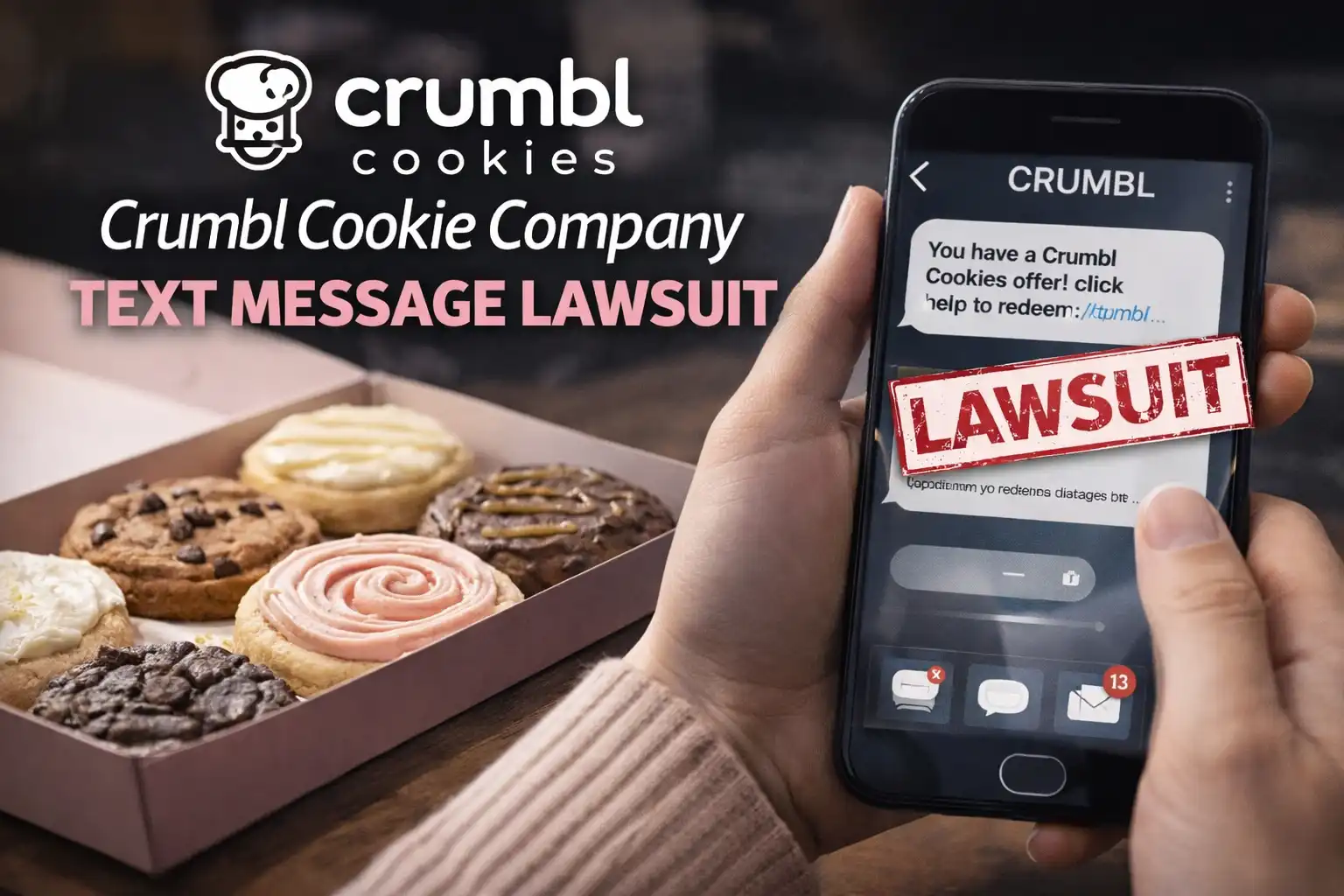
At the core of the dispute is a simple question: Did Crumbl always obtain clear, legally valid permission before sending promotional texts? Plaintiffs argue that in many cases, the answer is no.
Timeline of the Crumbl Text Message Lawsuit
| Year | Key Development |
|---|---|
| 2023 | Initial consumer complaints escalate into legal filings |
| 2024 | Lawsuit gains traction as class-action allegations emerge |
| 2025 | Discovery phase expands, examining consent systems and opt-out processes |
| 2026 | Case remains active or under settlement discussions (depending on jurisdiction) |
This timeline reflects how TCPA cases often unfold slowly, with heavy emphasis on technical evidence such as message logs and consent records.
The Legal Foundation Behind the Text Message Claims
The lawsuit is grounded in the Telephone Consumer Protection Act (TCPA), a federal law designed to limit unwanted telemarketing communications. The TCPA applies not only to robocalls but also to automated or mass text messages sent for marketing purposes.
According to the claims, Crumbl allegedly:
-
Sent promotional texts without express written consent
-
Continued texting after recipients replied “STOP” or otherwise opted out
-
Used automated systems that fall under TCPA restrictions
Each alleged violation can carry statutory damages, even if the recipient did not suffer financial loss. That’s why text message lawsuits can escalate quickly.
Potential Compensation and Damages Explained
TCPA damages are statutory, meaning they are set by law rather than based on personal losses.
| Type of Violation | Possible Compensation |
|---|---|
| Standard TCPA violation | $500 per text |
| Willful or knowing violation | Up to $1,500 per text |
In class-action cases, individual payouts are often lower, but total settlements can reach millions depending on the number of affected consumers.
Who May Be Eligible to Participate in the Lawsuit
Eligibility generally depends on whether a consumer:
-
Received promotional text messages from Crumbl
-
Did not clearly consent to receive those messages
-
Attempted to opt out but continued receiving texts
-
Received messages sent using automated systems
Eligibility does not usually require proof of financial loss. Even a small number of unwanted texts can qualify under TCPA standards.
The Crumbl Cookie Company text message lawsuit highlights a critical truth of modern marketing: permission is not optional. As consumers grow more protective of their digital space, companies must adapt or face legal consequences. Whether you’re a customer tired of unwanted texts or a business rethinking your marketing strategy, this case offers a clear reminder that transparency, consent, and respect are no longer just best practices, they’re legal necessities.

- Short-Term Rental Laws: What Property Owners Should Check Before Listing a Home - September 28, 2026
- Privacy Laws Every Internet User Should Understand - July 31, 2026
- Jake Paul Anthony Joshua Lawsuit - June 25, 2026