
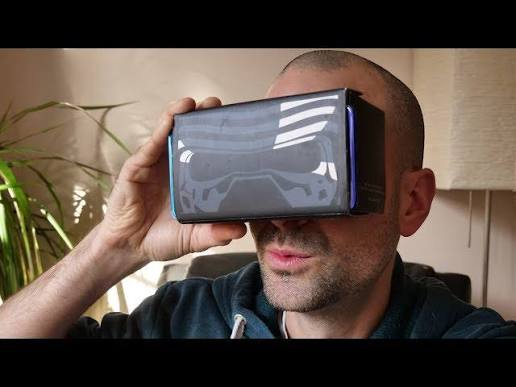
Virtual reality has changed the way people experience digital content. Instead of watching a video on a flat screen, VR allows viewers to feel as if they are inside the scene. You can look around in every direction, enjoy immersive sound, and experience content in a much more engaging way. Whether you are interested in travel, education, sports, gaming, concerts, or cinematic experiences, VR videos can make entertainment feel more realistic and interactive.
For beginners, learning how to watch VR videos may seem complicated. There are different headsets, video formats, apps, and streaming options to choose from. A good place to explore general VR video platforms and immersive entertainment resources is vrpy.com. The good news is that modern VR technology has become much easier to use, and most people can start watching VR videos within a few minutes.
This guide explains everything you need to know, including the equipment required, how VR videos work, where to watch them, and how to get the best viewing experience possible.
What Are VR Videos?
VR videos are specially created videos designed for virtual reality devices. Unlike traditional videos that show only one viewpoint, VR videos allow viewers to change their perspective by moving their head.
The most common types include:
360-degree videos: You can look in every direction while remaining in a fixed position.
180-degree VR videos: Focus on the front-facing view and often provide higher image quality.
3D stereoscopic VR videos: Display separate images to each eye, creating realistic depth perception.
Interactive VR experiences: Allow users to interact with objects or move through virtual environments.
Each format provides a different level of immersion and requires compatible hardware or software.
What Equipment Do You Need?
One of the first questions beginners ask is whether they need an expensive headset. Fortunately, there are several options available.
Standalone VR Headsets
These are the easiest devices for beginners because everything is built into the headset.
Advantages include:
No computer required
Wireless operation
Easy setup
Large app libraries
Standalone headsets are ideal for casual users who want a simple plug-and-play experience.
PC VR Headsets
These headsets connect to a gaming computer and offer higher visual quality.
Benefits include:
Better graphics
Higher resolution
More advanced VR applications
Greater customization
They are best suited for enthusiasts who want the highest-quality immersive experience.
Smartphone VR Viewers
Budget-friendly viewers allow you to insert a smartphone into a headset-style holder. While image quality is lower than dedicated VR devices, they can still provide an introduction to VR video viewing.
Understanding VR Video Formats
Before watching a VR video, it helps to understand how the video is encoded.
Monoscopic Videos
The same image is shown to both eyes.
Pros:
Smaller file sizes
Better compatibility
Faster streaming
Stereoscopic Videos
Different images are shown to each eye, creating a 3D effect.
Pros:
Greater immersion
More realistic depth
Better spatial perception
These videos usually require more processing power and bandwidth.
Where Can You Watch VR Videos?
VR videos are available on many streaming platforms and specialized VR applications. Popular categories include:
Travel and tourism
Nature documentaries
Museums and cultural tours
Space exploration
Sports events
Live concerts
Educational simulations
Gaming content
Animation and storytelling
When choosing a platform, look for high-resolution content and compatibility with your headset.
How to Watch VR Videos on a Standalone Headset
This is the simplest method for most users.
Step 1: Connect to Wi-Fi
Make sure your headset is connected to a stable internet connection.
Step 2: Install a VR Video App
Open the headset’s app store and install a compatible VR video player or streaming app.
Step 3: Launch the App
Open the app and browse available content.
Step 4: Select the Correct Format
Choose the appropriate viewing mode, such as 180°, 360°, side-by-side, or stereoscopic, depending on the video.
Step 5: Start Watching
Put on the headset, adjust the fit, and enjoy the immersive experience.
How to Watch VR Videos on a Computer
If you own a PC VR headset:
Connect the headset to your computer.
Install the manufacturer’s VR software.
Install a VR media player.
Open the video file or streaming service.
Select the correct display mode.
A powerful graphics card and a stable USB or DisplayPort connection will improve performance and image quality.
How to Watch VR Videos on a Smartphone
To watch VR videos using a smartphone:
Install a VR video application.
Download or stream compatible VR content.
Insert the phone into the VR viewer.
Start playback and place the viewer on your head.
For better results, use a phone with a high-resolution display and good screen brightness.
Streaming vs Downloading VR Videos
Both methods have advantages.
Streaming
Pros:
Instant access
No storage required
Frequently updated content
Cons:
Requires fast internet
Possible buffering
Downloading
Pros:
Better image quality
Offline viewing
No buffering
Cons:
Large file sizes
Uses device storage
If you have limited internet speed, downloading videos in advance is often the better choice.
Improve VR Video Quality
Choose the Highest Resolution
VR videos often look sharper at higher resolutions because the image is spread across a wide field of view.
Use a Fast Wi-Fi Connection
A strong wireless connection reduces buffering and maintains image quality.
Clean the Headset Lenses
Use a microfiber cloth to remove dust and fingerprints from the lenses.
Keep Software Updated
Update your headset firmware, apps, and operating system regularly for the best performance.
Reduce Motion Sickness
Some new users experience discomfort when watching VR content. To reduce this:
Start with short sessions.
Sit down while watching.
Choose slower-paced content.
Keep the headset properly adjusted.
Take regular breaks.
Most users become more comfortable after several sessions.
Privacy and Safety Tips
VR devices may collect usage and movement data. Protect your privacy by:
Using strong passwords
Enabling two-factor authentication
Installing apps from trusted sources
Reviewing app permissions
Reading privacy policies
Keeping software updated
Also ensure you have enough physical space around you when using VR equipment.
Common Problems and Solutions
Blurry Image
Reposition the headset.
Adjust lens spacing if available.
Increase video resolution.
Buffering
Move closer to the Wi-Fi router.
Pause the video briefly to allow buffering.
Lower the streaming quality if necessary.
Distorted Image
Select the correct video format in the player settings.
Confirm whether the video is 180°, 360°, monoscopic, or stereoscopic.
No Audio
Check headset volume settings.
Verify that headphones are connected properly.
Restart the video application.
Choosing the Best VR Content
High-quality VR videos usually have:
High resolution
Stable camera movement
Clear spatial audio
Good lighting
Professional editing
Poorly produced VR videos can cause discomfort and reduce immersion, so choose reputable creators whenever possible.
The Future of VR Video
Virtual reality technology continues to improve rapidly. Future developments are expected to include:
Higher-resolution displays
Wider fields of view
Better eye tracking
Improved spatial audio
Faster wireless streaming
Mixed reality integration
Shared social viewing experiences
As hardware becomes more affordable and internet speeds increase, VR video consumption is likely to become much more common.
Final Thoughts
Watching VR videos is one of the easiest and most enjoyable ways to experience virtual reality. Whether you are exploring famous landmarks, attending virtual events, watching immersive documentaries, or discovering new forms of digital entertainment, VR offers a level of engagement that traditional video cannot match.
By choosing the right headset, understanding video formats, optimizing playback settings, and following privacy and comfort tips, you can enjoy smooth and immersive VR experiences from home. If you want to continue exploring immersive video platforms and learn more about the growing world of virtual reality entertainment, you can visit vrpy.com for additional VR video resources and related content.
read more : Tips for Winning Personal Injury Claims

- 4 Essential Aircraft Lifting Equipment Solutions for Maintenance Teams - September 2, 2026
- How a Divorce Attorney in Glen Burnie Can Help You Navigate the Divorce Process - August 26, 2026
- German Gaming Phrases Every Curious Player Should Know - August 20, 2026