
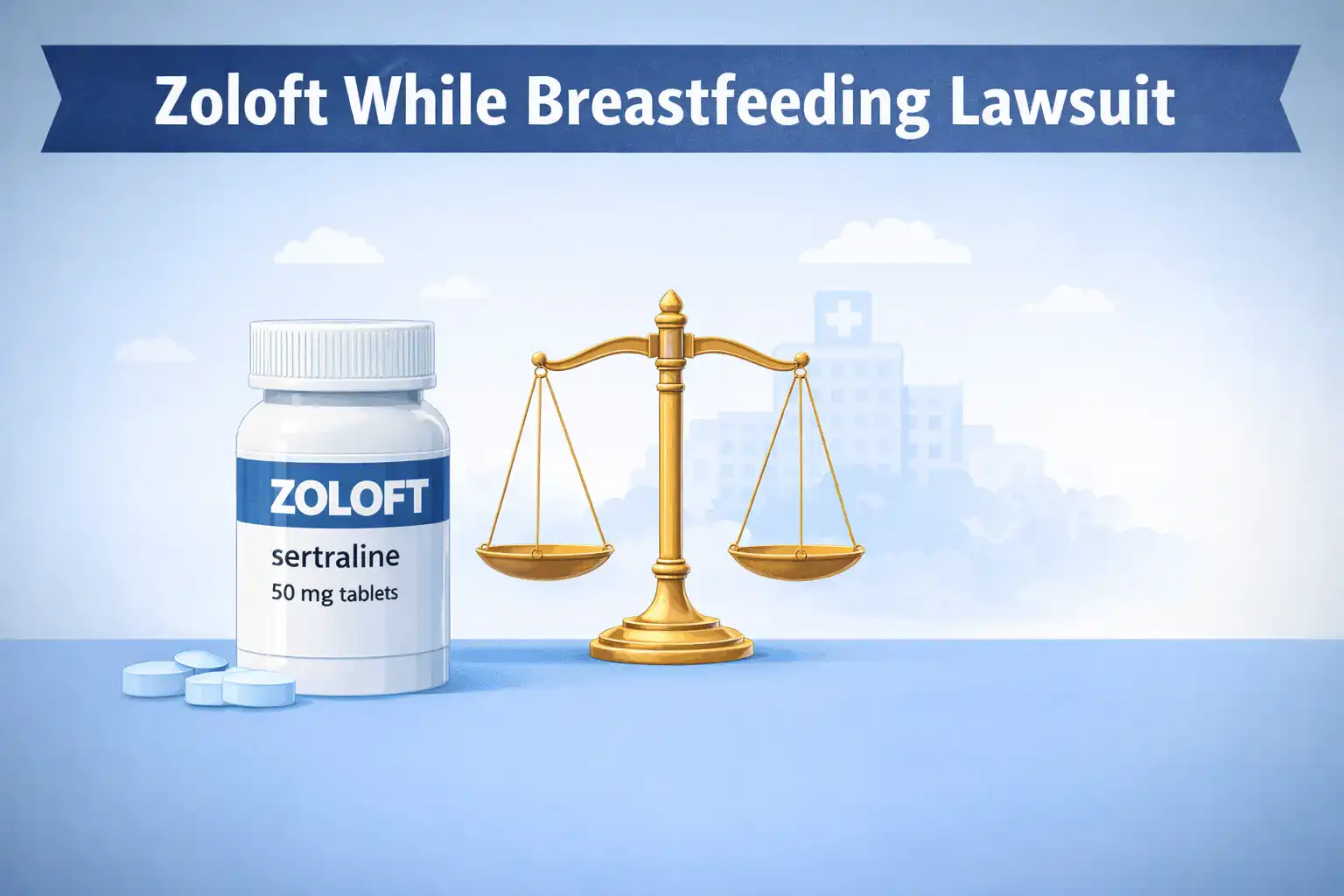
For many new mothers, balancing mental health and newborn care can be overwhelming. Zoloft (sertraline), a widely prescribed antidepressant, is frequently used to manage postpartum depression. However, concerns about potential risks to breastfeeding infants have led to legal action. If your child experienced adverse effects after Zoloft exposure, exploring your legal options is important.
This guide on a Zoloft While Breastfeeding Lawsuit provides clear, actionable insights: how the medication can pass through breast milk, what claims lawsuits are making, and practical steps families can take in 2026.
How Zoloft Affects Breastfeeding Infants?
Zoloft is classified as a selective serotonin reuptake inhibitor (SSRI), and while many studies suggest low transfer into breast milk, isolated reports indicate possible side effects in infants. These may include:
-
Fussiness or irritability
-
Feeding difficulties
-
Sleep disturbances
-
Rare cases of more serious developmental issues
Healthcare providers often weigh the benefits of maternal mental health against potential infant risks. Still, families who experienced complications are exploring legal remedies, particularly when they feel these risks were not adequately communicated.
Legal Landscape for Zoloft Breastfeeding Claims
Zoloft lawsuits primarily fall under product liability and failure-to-warn claims. These cases argue that the manufacturer did not sufficiently inform patients or healthcare providers about the potential risks of taking Zoloft while breastfeeding.
| Element | Description |
|---|---|
| Plaintiff | Mother or family of the infant affected by exposure |
| Defendant | Pharmaceutical company producing Zoloft |
| Claim Type | Product liability, failure-to-warn, negligence |
| Evidence | Medical records, breastfeeding history, expert testimony |
| Potential Compensation | Medical expenses, pain and suffering, future care costs |
Recent trends in 2026 show courts increasingly examining post-marketing studies, warning labels, and the adequacy of communication between healthcare providers and patients.
Who Is Eligible to File a Lawsuit?
Eligibility generally depends on whether:
-
The child was exposed to Zoloft through breastfeeding.
-
The child experienced documented health complications potentially linked to the drug.
-
There is a demonstrable gap in warnings or risk communication from the manufacturer.
Mothers experiencing postpartum depression often face a difficult balance: continuing medication to preserve mental health while safeguarding their infant. Legal action may offer recourse if adverse outcomes occur.
Steps to Take if You Are Considering Legal Action
Navigating a Zoloft lawsuit requires careful documentation and professional guidance. Recommended steps include:
-
Document Medical History: Keep detailed records of prescriptions, dosages, and infant health observations.
-
Consult Pediatricians: Obtain professional assessments of your child’s condition and any potential links to Zoloft.
-
Contact a Specialized Attorney: Lawyers experienced in pharmaceutical litigation can advise on claim viability and potential compensation.
-
Preserve Evidence: Retain all medical records, purchase receipts, and any communication with healthcare providers regarding Zoloft.
Taking early action can significantly affect the outcome of a lawsuit, particularly in establishing causation between the drug and any adverse effects.
Frequently Asked Questions
Q: Is Zoloft safe while breastfeeding?
A: Many studies suggest low transfer to breast milk, but some infants may experience side effects. Always consult a healthcare provider.
Q: Can I sue if my child had mild side effects?
A: Lawsuits typically focus on significant or lasting harm. Mild, temporary effects may not meet the legal threshold.
Q: How long after birth can a lawsuit be filed?
A: Statutes of limitations vary by state. Generally, filing within 1–3 years of discovering harm is common.
Q: What kind of compensation can families expect?
A: Potential compensation may cover medical bills, future care costs, pain and suffering, and lost income.
Q: Do I need a pediatrician’s report to file a lawsuit?
A: Yes, medical documentation linking infant complications to Zoloft exposure strengthens a legal claim.
Conclusion
The Zoloft while breastfeeding lawsuit represents a critical intersection of maternal mental health, infant safety, and pharmaceutical accountability. While Zoloft can be lifesaving for postpartum depression, families affected by potential risks deserve clear information and legal recourse. In 2026, understanding your rights, documenting infant health outcomes, and consulting experienced attorneys are essential steps for protecting both mother and child. This is not just a legal journey—it’s a path toward awareness, safety, and informed healthcare choices.

- Short-Term Rental Laws: What Property Owners Should Check Before Listing a Home - September 28, 2026
- Privacy Laws Every Internet User Should Understand - July 31, 2026
- Jake Paul Anthony Joshua Lawsuit - June 25, 2026