
When courts dismiss high-profile political lawsuits, the decision often reshapes public debate and future legal strategy. That is exactly what happened when a judge nixes Trump lawsuit claims in a widely discussed ruling that has implications for law, politics, and presidential accountability.
The case drew national attention because it involved legal arguments from Donald Trump, one of the most polarizing political figures in modern American history. Supporters saw the lawsuit as a necessary challenge to perceived political bias, while critics argued it lacked legal merit from the start.
The Background Behind the Lawsuit
The lawsuit emerged during a period when Donald Trump was involved in multiple legal disputes tied to his presidency, business dealings, and post-presidential political activity. By the mid-2020s, Trump had filed several lawsuits against government agencies, political opponents, and media organizations.
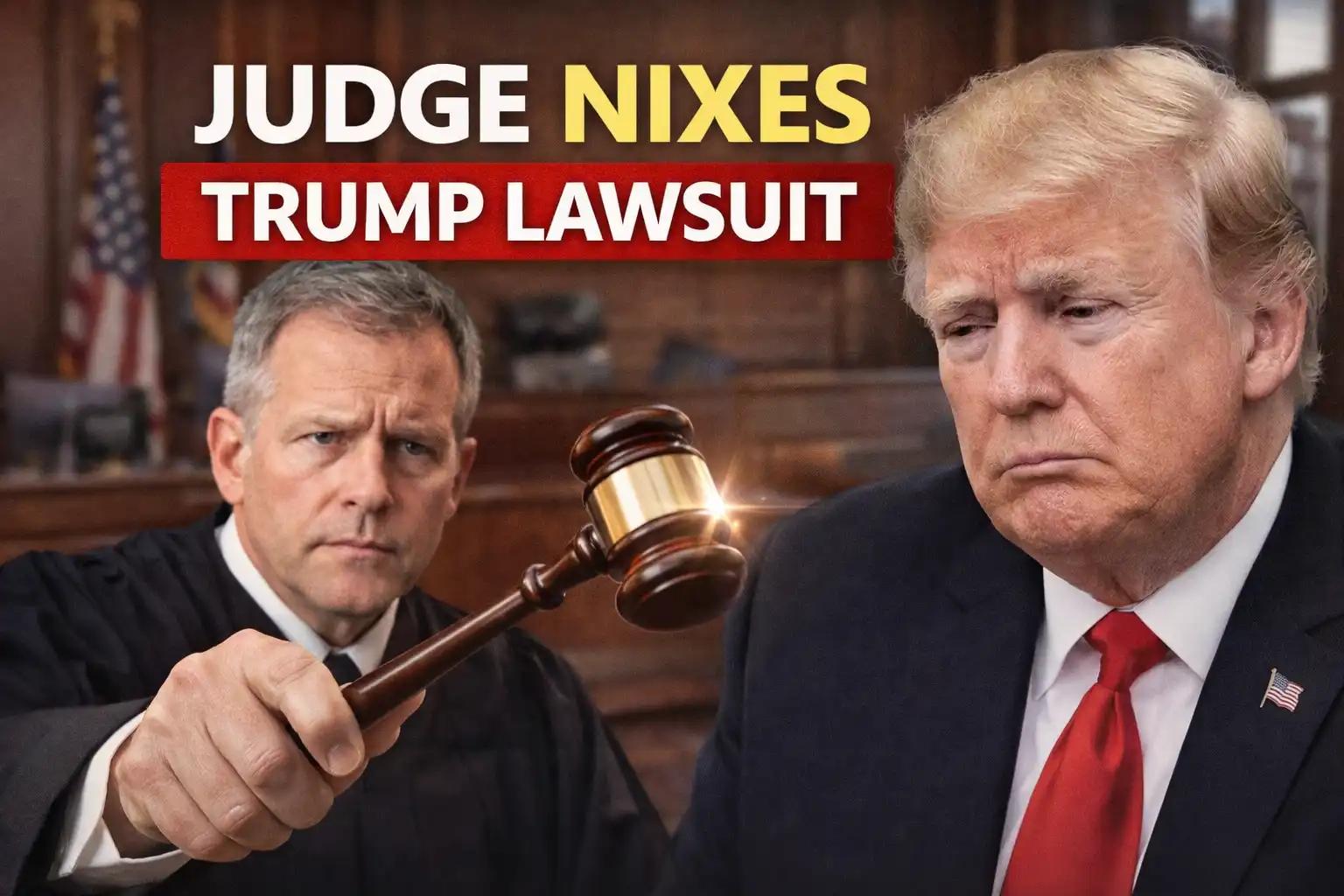
This particular case centered on allegations that certain actions or investigations were politically motivated and violated Trump’s legal rights. His legal team argued that the case warranted court intervention to correct what they described as an abuse of authority.
However, legal experts quickly noted that the claims faced significant hurdles. Courts typically require plaintiffs to demonstrate clear legal standing and provide concrete evidence of harm or constitutional violations. Without meeting those standards, lawsuits often fail early in the legal process.
| Year | Event |
|---|---|
| 2024 | Federal courts begin receiving increased immigration habeas petitions |
| Early 2025 | Maryland court issues order delaying deportations until review |
| June 2025 | Trump administration files lawsuit against all Maryland federal judges |
| August 2025 | Federal judge dismisses the lawsuit |
| 2026 | The ruling continues influencing legal debates about executive power |
What the Court Actually Decided
Court decisions often hinge on technical legal standards rather than political considerations. In this case, the judge examined whether the lawsuit satisfied fundamental legal requirements.
The court concluded that several key elements were missing, including sufficient evidence and a viable legal theory. Judges frequently dismiss cases when plaintiffs cannot demonstrate that their rights were directly violated under existing law.
According to the court’s reasoning, the claims were either unsupported by evidence or relied on interpretations of law that federal courts have historically rejected.
This analysis ultimately led to the conclusion that continuing the case would serve no legal purpose. As a result, the judge nixes Trump lawsuit ruling dismissed the complaint before it could move forward to a full trial.
Why Judge Nixes Trump Lawsuit Was Unusual?
Legal experts widely described the case as one of the most unusual lawsuits ever filed by the federal government.
Typically, the executive branch challenges court decisions through appeals in higher courts. Suing the judges themselves is almost unheard of.
The lawsuit targeted:
-
15 federal judges
-
The clerk of the court
-
The entire Maryland district court system
This unprecedented approach raised alarms among constitutional scholars, who warned that such actions could weaken judicial independence if allowed to proceed.
Legal Lessons from the Dismissed Lawsuit
The case highlighted several practical lessons about the American legal system.
First, even powerful political leaders must follow procedural rules when challenging court decisions.
Second, judicial immunity remains one of the strongest protections in U.S. law, preventing judges from being targeted for their rulings.
Third, disputes between branches of government are usually resolved through appeals and constitutional interpretation—not direct lawsuits.
For law students and political analysts alike, the case offers a clear example of how constitutional boundaries are enforced.
What Could Happen Next
Although the lawsuit was dismissed, similar legal disputes may arise in the future as immigration policy continues to evolve.
Possible future developments include:
-
Appeals or new legal strategies by federal authorities
-
Legislative changes to immigration procedures
-
Additional court challenges involving detention policies
The case also reinforced the idea that federal courts will continue playing a central role in shaping immigration law.
The moment when a judge nixes Trump lawsuit underscores how courts function in politically charged environments. While public debates often frame legal disputes as political battles, judges ultimately evaluate cases based on evidence, legal precedent, and procedural rules.
This decision demonstrates the judiciary’s commitment to maintaining those standards regardless of the individuals involved. For Donald Trump, it represents one episode in a long series of legal challenges that continue to shape his political and public life.

- Short-Term Rental Laws: What Property Owners Should Check Before Listing a Home - September 28, 2026
- Privacy Laws Every Internet User Should Understand - July 31, 2026
- Jake Paul Anthony Joshua Lawsuit - June 25, 2026